Morpheus8 Explained:Microneedling Meets Radiofrequency
You have probably seen Morpheus8 all over social media, usually next to dramatic before-and-after photos. But what is it actually doing to your skin, and is it different from the microneedling you may have tried before? Here is a clear, no-hype explanation for anyone in the St. Petersburg area who is curious.
6 min read
On this page
The Two Technologies Behind Morpheus8
Microneedling
Traditional microneedling uses tiny needles to create controlled micro-channels in the skin. The body responds by repairing those channels, which may stimulate new collagen and improve texture over time.
Radiofrequency (RF)
Radiofrequency energy creates heat in tissue. Controlled heat can tighten existing collagen fibers and trigger the skin's renewal process.
Putting them together
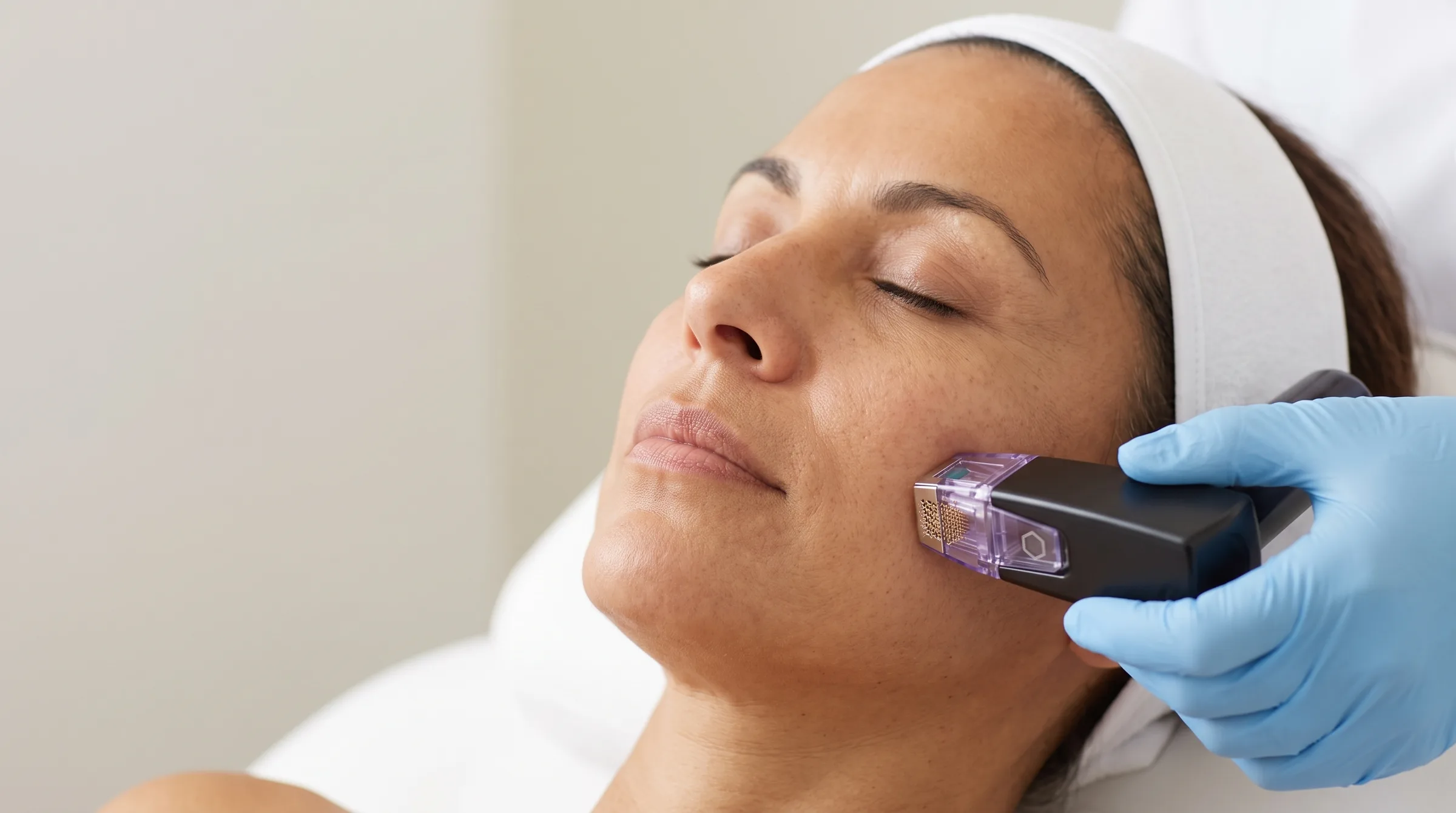
Morpheus8 is a fractional radiofrequency microneedling device made by InMode. Its needles are insulated along most of their length and release RF energy near the tips. So instead of heating the surface, Morpheus8 delivers heat beneath it, at a depth your provider chooses.
"Fractional" means only a fraction of the skin is treated in each pass. Tiny untreated areas between the needle points help the skin heal faster.
What Makes Morpheus8 Different
Adjustable depth. Facial treatments typically reach up to about 4 millimeters, and specialized body tips go deeper. This lets a provider tailor treatment to thin skin near the eyes, the thicker skin on the cheeks, or the tissue under the jaw.
Different tips for different jobs. InMode offers a smaller 12-pin tip for delicate areas like around the eyes and upper lip, a 24-pin tip for larger facial areas like the forehead, jawline, and neck, and a resurfacing tip for more superficial concerns such as texture and scarring.
Remodeling beneath the skin. InMode describes Morpheus8 as a subdermal adipose remodeling device, meaning the heat can affect the fat layer just under the skin as well as the dermis.
What Morpheus8 May Help With
Patients commonly seek Morpheus8 for:
- Fine lines and wrinkles
- Mild to moderate skin laxity on the face and neck
- Uneven texture and enlarged-looking pores
- Acne scarring
- Body areas with crepey or loose skin (with body-specific tips)
Morpheus8 is an FDA-cleared device. Clinicians use it to treat specific concerns like wrinkles or scars, and your provider can explain what the cleared indications cover.
What to Expect, Step by Step
Before treatment
Your provider will review your skin, medical history, and medications. You may be asked to avoid sun exposure and certain skincare ingredients beforehand. If you get cold sores, your provider may recommend preventive medication.
During treatment
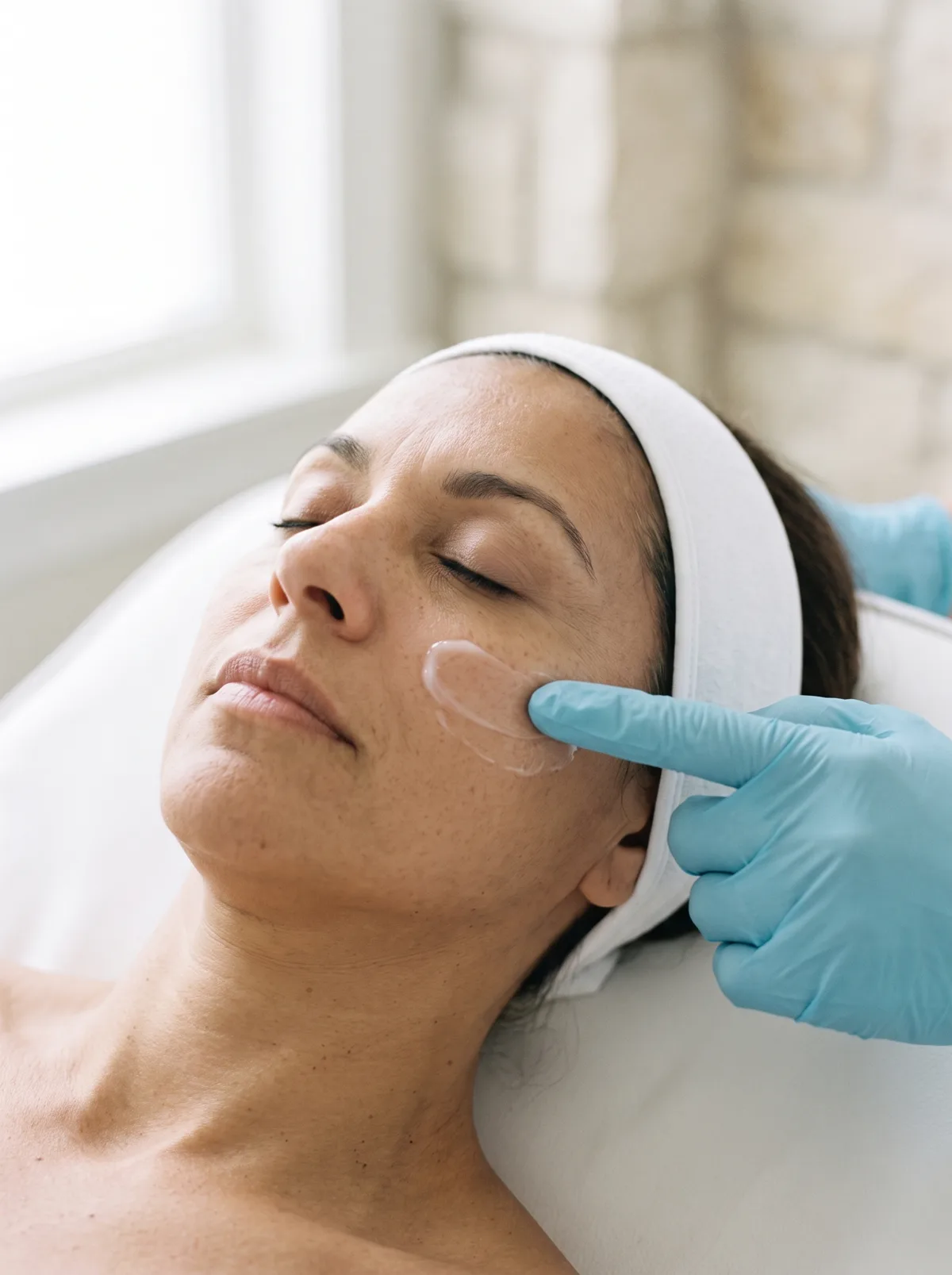
A topical numbing cream is applied and left on for a while before treatment. The provider then moves the handpiece across the area in a planned pattern. Most people feel warmth and pressure. Treatment time depends on the area.
After treatment
- Days 1 to 3
- Redness, mild swelling, and a sunburn-like feeling are common. Tiny grid marks may be visible.
- Days 3 to 7
- Skin may feel dry or slightly rough as it renews.
- Weeks 2 to 4
- Many patients start to notice a fresher look.
- Months 3 to 6
- Collagen continues to build, so results often keep developing during this window.
How Many Sessions?
Many treatment plans include about 3 to 5 sessions spaced around 4 to 6 weeks apart. Deeper concerns, such as scarring or more significant laxity, may call for more. Clinical studies of Morpheus8 have used protocols such as four treatments spaced 4 to 6 weeks apart, followed by check-ins at 3 and 6 months.
Maintenance sessions may help preserve results over time. Your provider will tailor a plan to your skin rather than applying a one-size-fits-all number.
Morpheus8 vs. Traditional Microneedling
| Feature | Traditional microneedling | Morpheus8 |
|---|---|---|
| Energy | Mechanical only | Mechanical + radiofrequency heat |
| Depth | Generally shallower | Adjustable, reaching deeper layers |
| Main focus | Surface texture, glow | Texture plus tightening and deeper remodeling |
| Downtime | Usually minimal | Typically a few days of redness and swelling |
- Energy
- Traditional microneedlingMechanical only
- Morpheus8Mechanical + radiofrequency heat
- Depth
- Traditional microneedlingGenerally shallower
- Morpheus8Adjustable, reaching deeper layers
- Main focus
- Traditional microneedlingSurface texture, glow
- Morpheus8Texture plus tightening and deeper remodeling
- Downtime
- Traditional microneedlingUsually minimal
- Morpheus8Typically a few days of redness and swelling
Neither is universally "better." Traditional microneedling may suit surface-level goals, while Morpheus8 is often chosen when firmness and contour are also concerns.
Is Morpheus8 Right for Your Skin Tone?
Because RF energy is not absorbed by pigment the way many lasers are, InMode states Morpheus8 can be used on skin types I through VI. Settings should still be customized, and diligent sun protection afterward is essential, especially under the Florida sun.
Morpheus8 may not be suitable during pregnancy, with an active infection or inflamed acne in the treatment area, after recent isotretinoin use, or with certain implants or medical conditions.
Frequently Asked Questions
Numbing cream makes it tolerable for most people. Sensations range from warmth to brief prickling, depending on depth and area.
Talk With Us About Morpheus8
The right settings, number of sessions, and aftercare depend on your skin and goals. That starts with a personal consultation. At Water's Edge Spa, we will explain what Morpheus8 can realistically do for you and build a plan around your schedule and lifestyle.
Call 727-550-0855 to book your consultation at Water's Edge Spa.