
GLP-1 Medications, Explained Simply
Ozempic, Wegovy, Zepbound. You've probably heard someone mention at least one of these. GLP-1 medications have transformed medical weight loss in recent years, but there are also plenty of myths about them. This guide explains how they work, what results you can expect, and what to ask before starting.
4 min read

On this page
So, what is GLP‑1?
GLP-1 (glucagon-like peptide-1) is a hormone your gut releases after you eat. It signals your brain that you're full, slows how fast your stomach empties, and helps your body release insulin when your blood sugar rises. The medications act like this hormone, but they stay in your body much longer than the natural kind.
These medications aren't stimulants or fat burners. They work by changing your appetite. Many patients say that the constant thoughts about food become quieter. Smaller portions are more satisfying, and cravings become less intense.
The options available now
Semaglutide is available as Wegovy for weight management and Ozempic for type 2 diabetes. It's given as a weekly injection. In late 2025, the FDA also approved an oral version for weight management (opens in a new tab). Tirzepatide (Zepbound for weight, Mounjaro for diabetes) is another weekly shot that also targets a second gut hormone called GIP, along with GLP-1. In 2026, a daily non-peptide pill became available (opens in a new tab), offering another option for those who prefer not to use injections.
The best option depends on your medical history, your goals, any other medications you take, and your insurance coverage. It's important to discuss this with your provider instead of relying on social media comparison charts.
Realistic results
In large studies, people taking weekly semaglutide (STEP 1 (opens in a new tab)) lost an average of about 15% of their body weight, while those on tirzepatide (SURMOUNT-1 (opens in a new tab)) lost about 20% over 68 to 72 weeks. These are averages: some people lose more, some less. Outside of studies, results depend a lot on your dose, consistency, diet, and activity.
Doses start low and climb every few weeks so your body has time to adjust. Appetite usually changes first, within a few weeks, while steady weight changes build over the months that follow.
Side effects
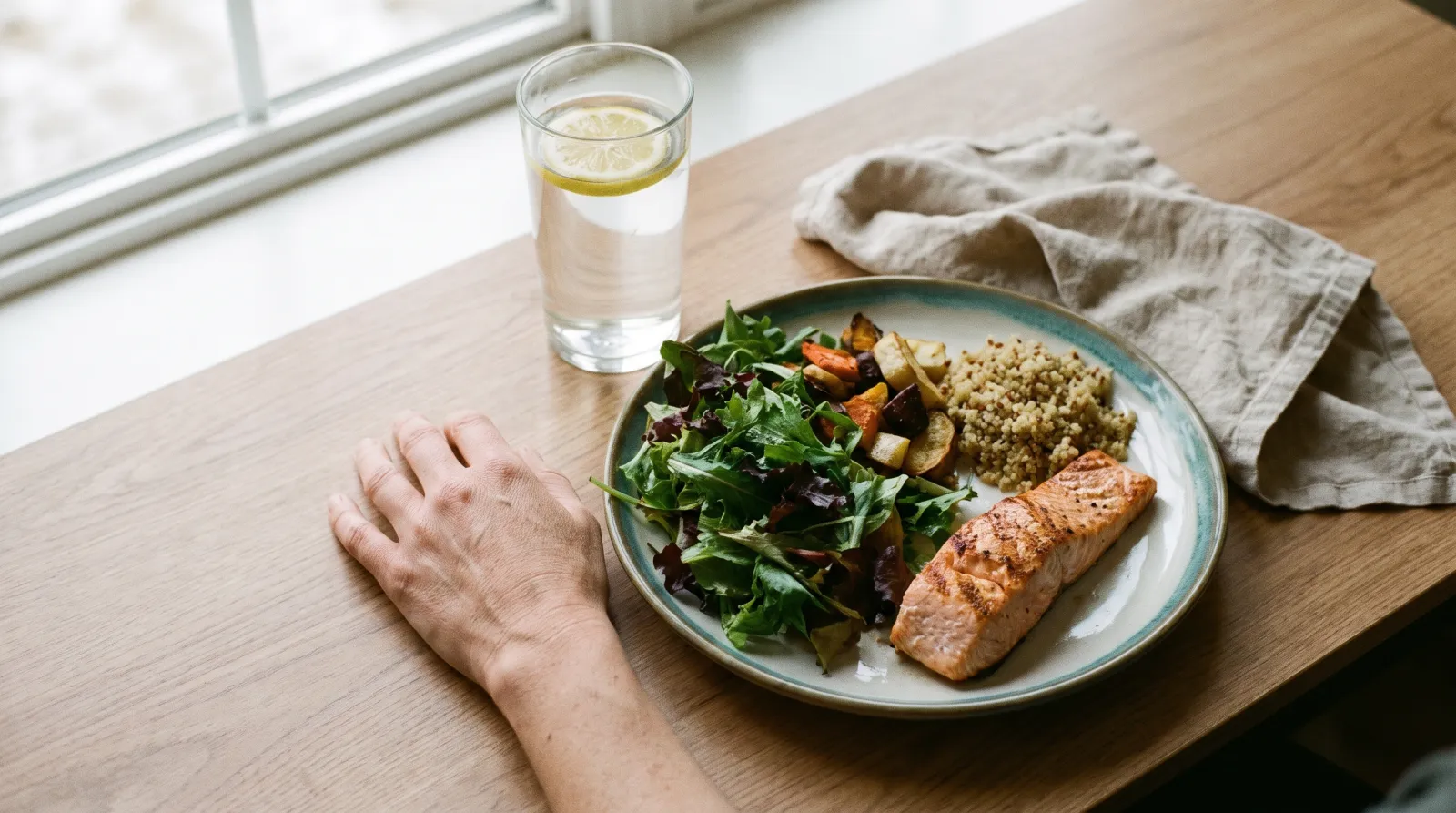
Most side effects are related to digestion, such as nausea, feeling too full, constipation, diarrhea, or sometimes vomiting. These are usually mild to moderate and often appear after a dose increase. Eating smaller meals, eating slowly, avoiding greasy foods and alcohol, and staying hydrated can help.
GLP-1s aren't for everyone. If you or a family member has had medullary thyroid cancer or MEN2, if you've had pancreatitis, or if you're pregnant or planning to be, you need a careful talk with a provider first, and for some people the answer will be no. Call your provider right away about severe or lasting stomach pain.
Why supervision matters
Writing a prescription is just one step. What really matters is the support and care that come with it:
- screening and labs to make sure the medication is safe for you
- a dosing plan that weighs results against comfort
- protein and strength guidance so the weight you lose is fat rather than muscle
- regular check-ins for side effects, plateaus, and dose decisions
- a long-term plan, since stopping without one often means the weight comes back
GLP‑1 care at Water's Edge
At our St. Petersburg clinic, medication is just one part of a complete program. You'll get a clinical evaluation, regular check-ins with your provider, nutrition support, and body-composition tracking. Later, you can add options like body contouring and skin treatments. If you're already taking a GLP-1 from another provider, ask about our coaching support to help protect muscle and keep your progress going.
At Water's Edge, weekly GLP-1 injections (semaglutide or tirzepatide, physician-supervised) are available with our Contour Body Transformation program, billed separately through our sister practice, Water's Edge Medical Clinic (opens in a new tab).
Common questions
No. These medications make healthy eating easier by reducing your appetite, but your nutrition, protein intake, physical activity, and regular follow-up are still key for long-term results.
This article is for general education and does not provide medical advice. Results can vary. These treatments are not right for everyone, so review your eligibility, risks, and benefits with a licensed provider.
Book a weight-loss consultation to find out whether a GLP‑1 program makes sense for you
Visit us at 1700 66th St. N., Suite 304, St. Petersburg, FL 33710, or book online.
Call 727-550-0855 to book your consultation at Water's Edge Spa.